
Reading time: 9 min.
Getting your hair transplant pre op routine right can be the difference between a smooth surgery and avoidable setbacks. This practical checklist covers medications, washing, and lifestyle rules so you walk in prepared and lower your risk on the day. Know someone booking a transplant? Share this guide.
Know someone researching hair transplants? Share this guide.
At a Glance
Stop blood-thinners, high-dose fish oil, and certain supplements only when your doctor says so—never self-stop prescription meds.
Wash gently the night before and morning of surgery; arrive with a clean, product-free scalp and beard (if beard donor is used).
No alcohol for 48–72 hours; avoid nicotine for at least 1–2 weeks pre-op; hydrate well and sleep.
Wear a front-opening top; bring your aftercare kit and a ride home.
Clarify meds you’ll take on the day (e.g., antibiotics, anti-swelling) and foods allowed before anesthesia.
See also: Pre-Op Checklist: Meds, Wash, Lifestyle • Hair Transplant Aftercare: Washing, Sleeping, Sun, Gym • Shock Loss vs Normal Shedding After Transplant
Why Your Hair Transplant Pre Op Plan Matters
Both techniques breach the skin and all surgery scars—the difference is pattern:
- FUE (Follicular Unit Excision): thousands of micro-punches create dot scars scattered across the safe donor.
- A structured hair transplant pre op plan reduces bleeding risk, protects graft survival, and makes the day run on time. It also sets you up for a calmer first 10 days of recovery. If you’re still choosing a technique, start here: Fue vs Fut Hair Transplant
Smart Tip: Keep a one-page checklist on your phone with stop/start dates for meds and supplements plus clinic contact details.
Medications: What to Pause, What to Continue
Always clear changes with your surgeon and prescribing doctor. Do not discontinue prescription drugs without medical approval.
Common “Pause” Items (When Your Doctor Confirms)
- Anticoagulants/antiplatelets (e.g., warfarin, apixaban, clopidogrel): individualized plan only.
- NSAIDs (ibuprofen, naproxen): typically stopped ~5–7 days prior; acetaminophen/paracetamol is often allowed for pain.
- High-dose omega-3/fish oil, vitamin E, garlic, ginkgo, ginseng, turmeric: many clinics ask to stop ~7 days prior due to bleeding risk.
- Minoxidil topical: some surgeons pause 3–7 days pre-op to reduce scalp irritation (others continue; follow your clinic’s protocol).
- Alcohol: avoid for 48–72 hours; it can increase bleeding and interact with meds.
Typically Continue (Unless Your Doctor Says Otherwise)
- Blood pressure, thyroid, diabetes, and other chronic meds—your anesthetic plan depends on them being stable.
- Finasteride/dutasteride (if already prescribed): most clinics allow continuation.
Smart Tip: Make a med list (name, dose, schedule) and bring it. Include all supplements and over-the-counter items.
For broader treatment context before choosing a clinic, review: Before You Choose a Hair Transplant Surgeon/ and How ot Choose the Best Hair Transplant Clinic
Wash & Skin Prep: Night Before and Morning Of
Hair & Scalp
- Wash with your usual gentle shampoo the night before and again morning of surgery.
- Rinse thoroughly; no conditioner, oils, fibers, sprays, or styling products after the final wash.
- If using beard or body hair as donor, cleanse those areas as well. See: Beard & Body Hair Transplant: When to Consider
Face & Beard
- If beard donor is planned, shave only if your clinic asks. Many prefer light stubble to visualize angles.
Skin Products
- Skip retinoids, exfoliants, acids, or harsh actives for 48–72 hours before to reduce irritation.
Smart Tip: Bring a front-opening hoodie or zip shirt to avoid dragging fabric over the scalp post-op.
Lifestyle Rules: The Week Leading Up
- Nicotine: stop 1–2 weeks pre-op; nicotine constricts vessels and may reduce graft survival.
- Alcohol: avoid 48–72 hours before.
- Exercise: last heavy workout 48 hours prior; skip on the day.
- Hydration & Sleep: hydrate well the day before and get a full night’s sleep.
- Sun exposure: avoid sunburn; a burned scalp or neck complicates anesthesia and healing.
If you’re budgeting and scheduling, this primer helps: Hair Transplant Cost Calculators & Pricing Factors
The Day Before: Pack & Plan
- Food plan: confirm with your clinic if light breakfast is allowed (varies by sedation type).
- Clothing: front-opening top, comfortable trousers, no tight hats.
- Logistics: arrange a ride home; avoid driving if you’ll receive sedatives.
- Aftercare kit: saline spray (if advised), mild shampoo, neck pillow, paper towels, clean pillowcases, prescribed meds.
- Photos & expectations: bring reference photos; agree on hairline design and density targets during your final review.
Smart Tip: Take clear “before” photos (front, sides, top, crown) in good light. They help track healing and growth milestones.
Morning of Surgery: Final Checks
- Arrive with clean, dry hair; no styling products.
- Take approved meds only with small sips of water.
- No caffeine if your clinic asks (some restrict to reduce bleeding/anxiety).
- Remove jewelry; avoid fragrances and heavy makeup.
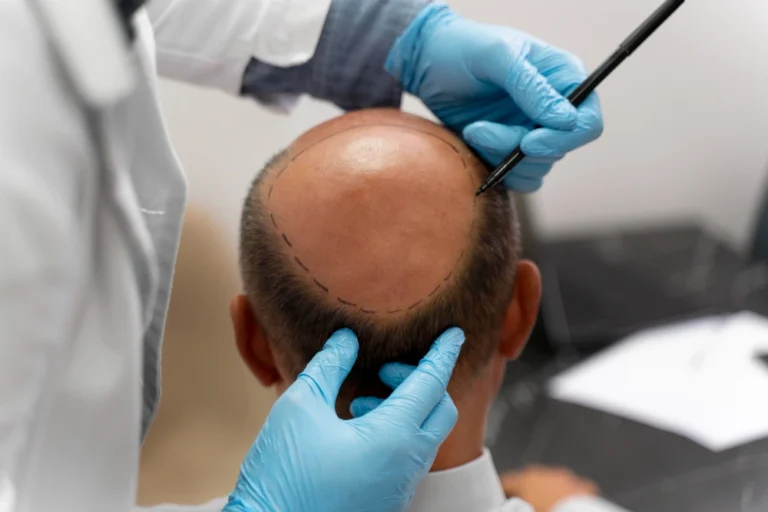
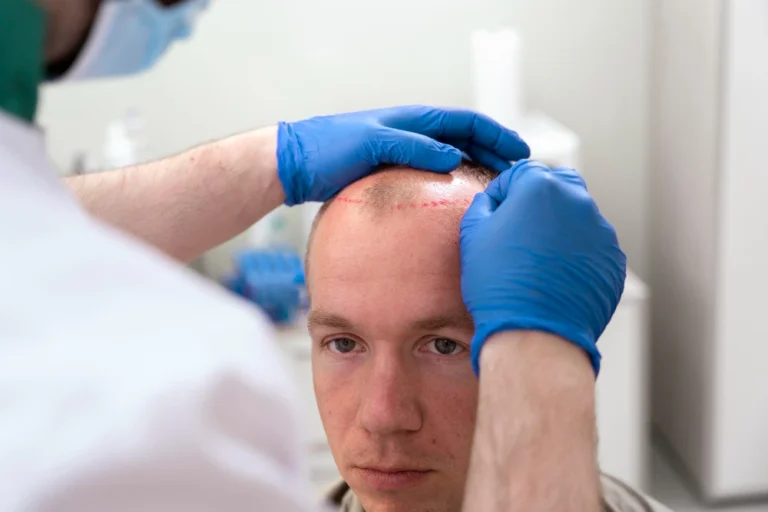
- Consent & marking: review your recipient zones and donor plan; take a quick photo of the drawn design for your records.
For a step-by-step healing overview after the procedure, see: Your Guide to Hair Transplant Recovery: The Complete Timeline & Aftercare Tips
Special Situations
Medical Conditions
- Cardiac, endocrine, or bleeding disorders: you may need lab work or letters from your physician.
- Dermatologic issues (seborrheic dermatitis, psoriasis): treat flares ahead of time.
- Keloid/hypertrophic scarring tendency: alert the surgeon; extraction density or closure plans may change.
Medications & Hair-Loss Therapy
- Finasteride/dutasteride: typically continue if already prescribed.
- Topical/oral minoxidil: follow your clinic’s specific pause/continue protocol.
- PRP or low-level laser: scheduling may be adjusted around surgery.
What to Confirm With Your Clinic (Script You Can Use)
- Which meds/supplements must I stop, and when?
- Can I eat or drink on the morning of surgery?
- Which shampoos or antiseptics should I use the night before/morning of?
- What is the exact arrival time, length of session, and ride-home requirement?
- Who designs/creates sites and who places grafts?
- What aftercare products and meds will I receive before I leave?
- When is my first wash and follow-up check?
Smart Tip: Ask for the clinic’s written pre-op and post-op PDFs and save them offline so you can access them on the day without internet.
Quick Pre-Op Timeline (Printable)
7–10 Days Before
- Align med plan with surgeon + prescribing doctor.
- Stop non-essential supplements that raise bleeding risk (if approved).
- Tackle scalp/skin flares; avoid sunburn.
3–5 Days Before
- No NSAIDs unless cleared; switch to acetaminophen for pain if needed.
- Ease off intense workouts; finalize transport and meals.
48–72 Hours Before
- No alcohol; reduce caffeine; hydrate and sleep well.
- Avoid hair products; prepare front-opening clothes and aftercare kit.
Night Before
- Final gentle wash; no products after.
- Light dinner (if allowed); set alarms; paperwork in bag.
Morning Of
- Wash (if instructed); clean, dry hair; only approved meds.
- No fragrances/jewelry; arrive early; confirm design and photos.
Download the Hair Transplant Clinic & Surgeon Checklist (Free PDF)
Make safer choices in minutes. This 1-page, printable worksheet lets you compare clinics side by side—confirm the surgeon’s identity and licence, who does what on the day (doctor vs technicians), facility regulation, written plan (technique, donor strategy, risks, aftercare), real before/after photos, costs/policies, and common red flags.
Hair Transplant Resources & Guides
- FUE vs FUT: Which suits you?
- How to Choose a Hair Transplant Clinic (criteria & red flags)
- Hair Transplant Recovery Guide (week-by-week)
- Hair Transplant Cost Calculators & Pricing Factors
- Non-Surgical Hair Restoration: Your Guide to What Actually Works
- Before Choosing a Hair Transplant Surgeon
FAQ
See Top-Rated Hair Transplant Clinics
Prefer a diagnosis-first approach? Browse neutral, vetted clinics that manage genetic hair loss with medical therapy (and surgery if needed). Filter by credentials, outcomes, and follow-up care. → See top-rated clinics
Conclusion
A clear, written hair transplant pre op plan keeps you safe and on schedule: finalize meds with your doctors, cleanse gently, avoid alcohol and nicotine, and set up transport and aftercare. Do these basics well and you’ll start surgery calm—and recovery with fewer surprises.
Found this helpful? Share it in your hair-loss or transplant research group so more people make informed decisions.
References
- International Society of Hair Restoration Surgery (ISHRS)
- NHS – Hair Transplant Overview
- ASPS – Hair Transplantation & Restoration
- American Academy of Dermatology – Hair Transplant Surgery
Medical Disclaimer: The content on hairimplants.net is for informational purposes only and should not be considered medical advice. It does not replace a professional medical consultation, diagnosis, or treatment. Readers are encouraged to seek guidance from a qualified healthcare provider before making any decisions about hair restoration treatments. Hairimplants.net accepts no liability for actions taken based on the information provided.
Affiliate Disclosure: Hairimplants.net may contain affiliate links. If you click a link and make a purchase, we may earn a small commission at no additional cost to you. This helps us keep our content free and research-based. Our editorial opinions are independent and not influenced by partnerships. We do not accept payment for favorable reviews or rankings. Links to medical sources are non-affiliate.