Reading time: 7 min.
Deciding if PRP hair loss treatment is worth it? This plain-English guide explains how platelet-rich plasma is prepared and injected, typical session plans, what results to expect (and when), side effects, and costs—so you can decide if it fits your plan alongside proven therapies.
Know someone weighing PRP vs meds? Share this guide.
At a Glance
PRP = your own blood processed to concentrate platelets (growth factors) and injected into thinning areas. Results depend on diagnosis, technique, and consistency.
Best evidence: androgenetic alopecia (male & female pattern loss), often as an adjunct to minoxidil/other therapies. Results usually show after 3–6 months.
Typical plan: 3–4 sessions about 4–6 weeks apart, then maintenance every 3–6 months if responding. Protocols vary by clinic.
Common side effects are mild: injection-site pain, swelling, headache, tenderness; serious events are rare.
Costs vary by region/clinic; PRP is often not covered by insurance. Expect a multi-session commitment.
See also: Non-Surgical Hair Restoration • Minoxidil Guide • Oral vs Topical Finasteride • Best Laser Cap • Hair Systems & Scalp Micropigmentation • PRP For Hair Loss: Sessions, Costs & Results
What PRP Is (And Why It’s Used)
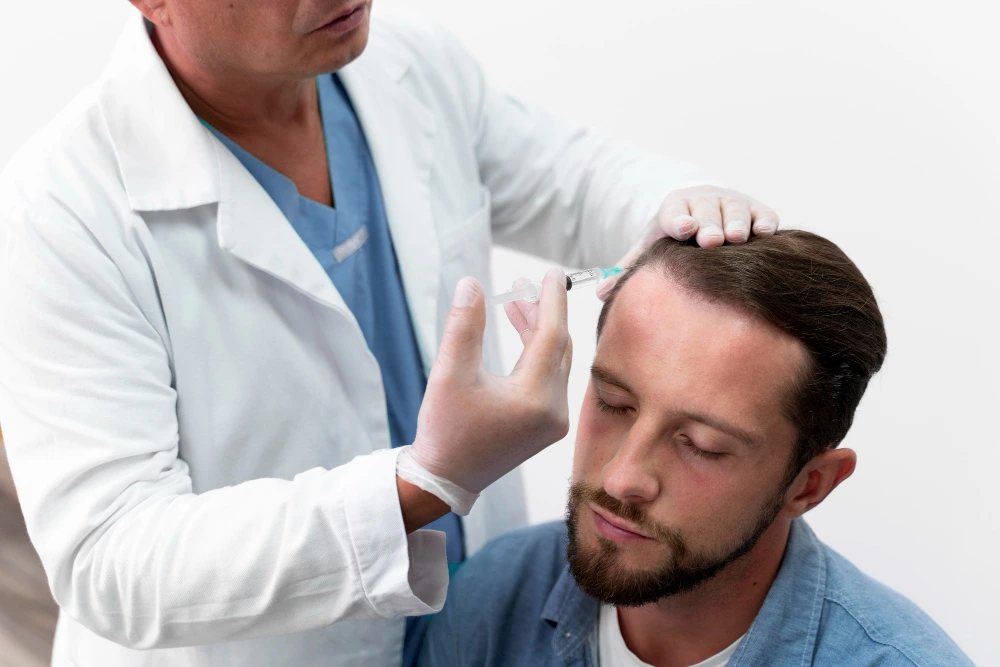
Platelet-rich plasma (PRP) is made by drawing a small amount of your blood, spinning it in a centrifuge to concentrate platelets, and then injecting that plasma into areas of thinning. Platelets release growth factors that may support follicle function and the scalp environment. The treatment is autologous (your own tissue), which is why it’s generally well-tolerated.
Smart Tip: PRP is a tool, not a cure. The strongest results tend to come when PRP is added to a well-built plan (e.g., minoxidil ± other therapies) and when the diagnosis is truly androgenetic alopecia.
Who PRP Helps (And When It Doesn’t)
- Most evidence: male & female pattern hair loss (androgenetic alopecia). Multiple systematic reviews report improvements in hair density for many patients, though protocols differ and studies vary in quality.
- Less clear: advanced baldness with shiny/scarred scalp (few viable follicles), active scarring alopecias.
- Adjunct use: PRP is also used around hair transplant procedures to support healing/growth (practice varies by surgeon).
If you’re still mapping overall causes, start with a diagnosis basics primer: Hormonal & Health-Related Causes of Hair Loss (What to Check First)
How Many Sessions? A Typical PRP Schedule
While there’s no single “official” protocol, many clinics follow a pattern like:
- Induction: 3–4 sessions, 4–6 weeks apart.
- Assessment: photos + density check around 3–6 months.
- Maintenance (responders): every 3–6 months.
- Timing depends on the device, PRP concentration, activation method, and your response.
Smart Tip: Ask the clinic to specify spin settings, platelet concentration target (e.g., 3–5× baseline), whether they activate PRP, and who performs injections—consistency matters.
What Results To Expect (Realistic Timelines)
- Weeks 0–4: scalp may feel tender for 24–48 h; shedding patterns unchanged.
- Months 3–4: early signs (reduced shed, “baby hairs” in part line) if you’re a responder.
- Months 6–12: visible improvement in density/caliber for responders; plateau without maintenance.
- Meta-analyses generally support gains in hair density; effects on hair shaft diameter are mixed across studies.
Smart Tip: Use standardized photos (front/sides/crown, same light) every 8–12 weeks. Objective tracking prevents “mirror anxiety.”
Side Effects, Safety & Contraindications
Common short-term effects: injection-site pain, tenderness, swelling, headache, itching, mild bruising. Because PRP uses your own blood, allergy risk is low. Rare but possible: infection, vasovagal episodes (lightheadedness). Discuss blood disorders, anticoagulants, pregnancy, and active scalp infections with your clinician.
Pain control options (topicals, vibration devices, cooling) can make sessions more comfortable.
How PRP Compares With Other Treatments
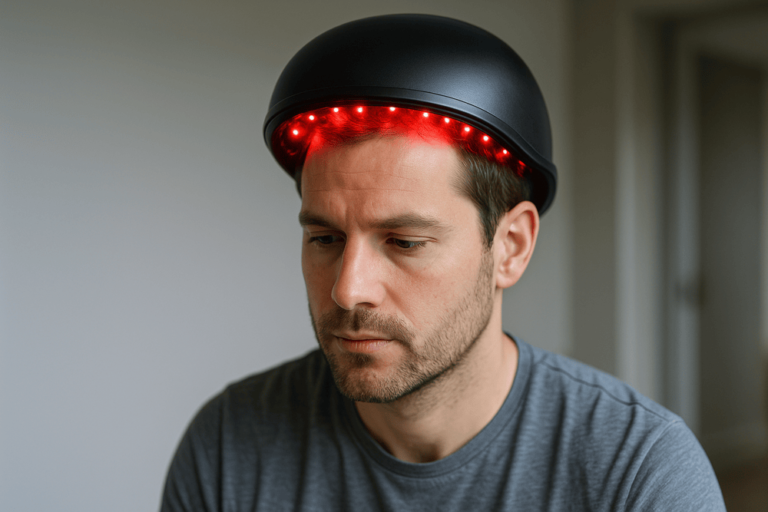
PRP is best viewed as complementary: it can be paired with topical/oral minoxidil, anti-androgen strategies (clinician-guided), low-level laser, or microneedling. Some analyses suggest PRP performs similarly to minoxidil for certain outcomes, but direct comparisons are limited and protocols differ—combination often wins.
If you’re choosing your baseline plan, this overview helps: Non-Surgical Hair Restoration: Your Guide to What Actually Works
Costs: What To Budget
Prices vary widely by country and clinic (training, equipment, PRP kit type), and PRP is frequently not covered by insurance. Expect a multi-session spend (induction + maintenance). Always ask for a full-course estimate up front and confirm cancellation/refund policies.
Smart Tip: Calculate total 12-month cost (induction + maintenance) and compare it to alternative therapies over the same period.
What A Good PRP Consult Looks Like
- Clear diagnosis (pattern hair loss vs telogen effluvium vs scarring).
- Baseline photos and objective measures (density where possible).
- Defined protocol (spins, concentration, activation, number of injections/sites).
- Integrated plan with medical therapy & lifestyle (sleep, nutrition, stress).
- Realistic stop/continue rules at 3–6 months based on tracked response.
For sleep, training, and nutrition that reduce “add-on shedding,” see:
- Sleep: Sleep & Hair: How Many Hours Matter?
- Exercise: Exercise & Hair: Myths vs Facts
- Nutrition basics: Nutrition for Hair Growth: What’s Evidence-Backed
Smart Tip: If you’re post-transplant, ask whether PRP is used peri-operatively at your clinic and how they time it relative to surgery (same day vs delayed).
Hair Restoration Resources & Guides
- Considering surgery vs. meds? FUE vs FUT Hair Transplant
- Choosing a provider safely: How to Choose a Hair Transplant Clinic
- After-care know-how: Hair Transplant Recovery Guide (context even if you stay non-surgical)
FAQ
See Top-Rated Clinics
Prefer a diagnosis-first approach? Browse neutral, vetted clinics that manage genetic hair loss with medical therapy (and surgery if needed). Filter by credentials, outcomes, and follow-up care. → See top-rated clinics
Conclusion
Handled well, PRP hair loss treatment can support density in pattern hair loss—especially as an add-on to a solid medical routine. Go in with a diagnosis, a defined series + maintenance plan, realistic timelines (3–6+ months), and a clear budget. Combine that with evidence-based meds and lifestyle basics, and you’ll give your follicles the best chance to respond.
Found this helpful? Share it in your hair-loss or transplant research group so more people set smart expectations for PRP.
References
- American Academy of Dermatology — Diagnosis & treatment
- Johns Hopkins Medicine — Platelet-Rich Plasma (PRP) Injections
- International Society of Hair Restoration Surgery — PRP for Hair Loss (Patient Guide)
- Systematic Review — Journal of Cosmetic Dermatology (2024): PRP for AGA
- Systematic Review — Aesthetic Plastic Surgery (2024): PRP Effectiveness
- Review — PRP in Hair Regrowth (2022, PMC)
- Pain-control strategies during PRP injections — JAAD (2022)
Medical Disclaimer: The content on hairimplants.net is for informational purposes only and should not be considered medical advice. It does not replace a professional medical consultation, diagnosis, or treatment. Readers are encouraged to seek guidance from a qualified healthcare provider before making any decisions about hair restoration treatments. Hairimplants.net accepts no liability for actions taken based on the information provided.
Affiliate Disclosure: Hairimplants.net may contain affiliate links. If you click a link and make a purchase, we may earn a small commission at no additional cost to you. This helps us keep our content free and research-based. Our editorial opinions are independent and not influenced by partnerships. We do not accept payment for favorable reviews or rankings. Links to medical sources are non-affiliate.