Reading time: 9 min.
If you’re seeing more strands in the shower, dialing in nutrition for hair growth can make a real difference—but only where nutrition is actually the problem. This guide separates evidence-backed nutrients from hype, shows when to test instead of guess, and gives practical meal ideas that support healthy hair without expensive pills.
Know someone buying “hair gummies”? Share this guide.
At a Glance
Nutrition mainly affects shedding (e.g., telogen effluvium) and hair quality; genetic pattern loss needs medical therapy.
Iron deficiency, low protein energy intake, and sometimes zinc or vitamin D insufficiency are the most relevant nutritional factors.
Biotin helps only if you’re truly deficient (rare); otherwise, evidence for extra biotin is weak.
Test first: ferritin, full blood count, B12/folate, TSH +/- vitamin D and zinc when clinically indicated—then correct documented gaps.
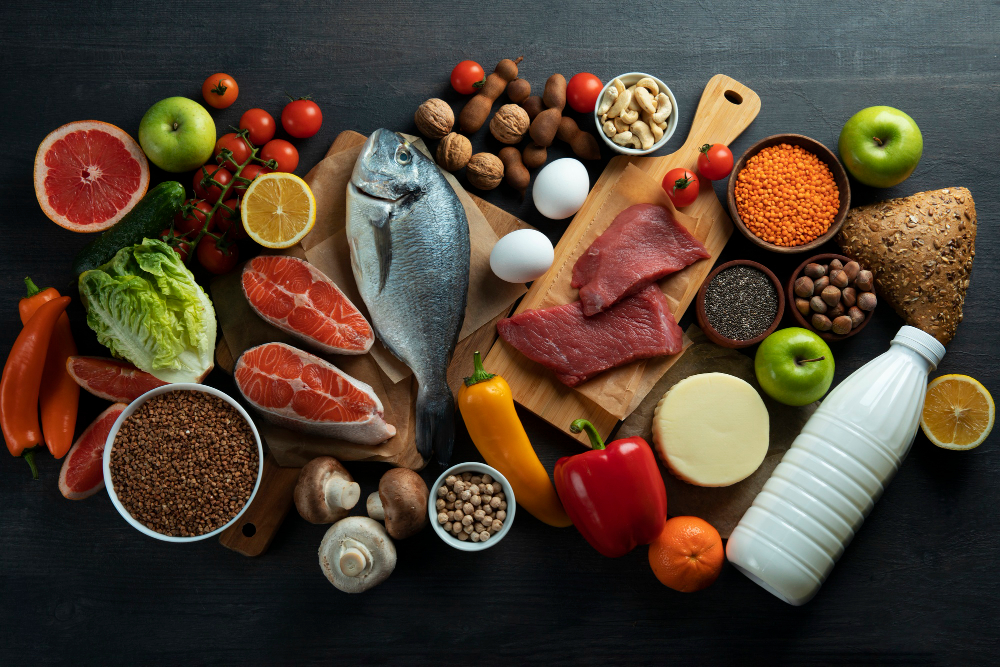
Food-first strategy: enough protein (1.0–1.6 g/kg/day), iron-rich foods + enhancers of absorption, and a varied Mediterranean-style pattern.
See also: Are Nutritional Deficiencies Causing Your Hair Loss? • Best Daily Scalp Care Routine For Hair Growth? • Daily Hair Care Routine to Prevent Hair Loss
Why Nutrition Matters (And Where It Doesn’t)
Nutrition influences the hair cycle and shaft quality. When intake or stores are low (iron, protein, zinc), more follicles can shift into telogen (resting), causing diffuse shedding a few months later. Correcting the cause usually normalizes the cycle over 6–12 weeks, with fuller appearance over 3–6 months.
What nutrition cannot do: reverse androgenetic alopecia (male/female pattern hair loss) on its own. For that, see medical options in: Non-Surgical Hair Restoration: Your Guide to What Actually Works
Smart Tip: If your shedding started after illness, crash dieting, or childbirth, rule out telogen effluvium and check labs before buying supplements.
The Big Four: Nutrients Most Linked To Shedding
1) Iron (Ferritin)
- Why it matters: Low iron stores (often tracked by serum ferritin) are associated with increased hair shedding, especially in women. Iron deficiency can exist without anemia.
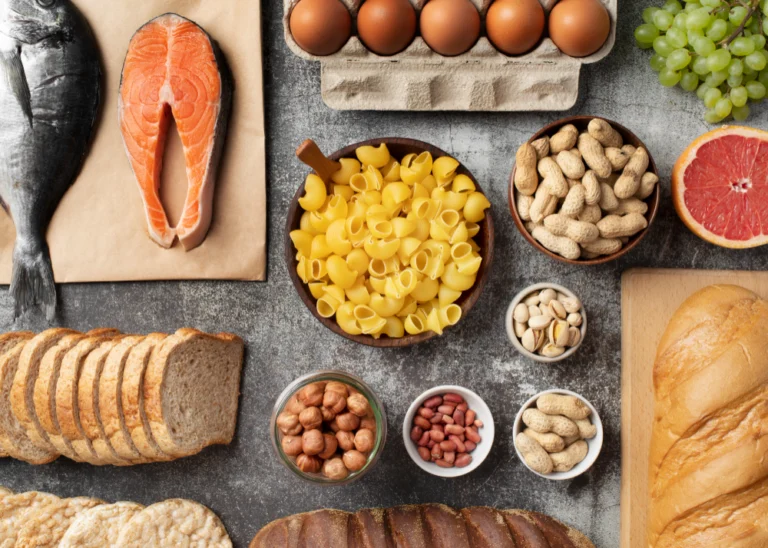
- Food sources: red meat (lean), liver (occasionally), shellfish, dark poultry, legumes, tofu/tempeh, spinach, pumpkin seeds, fortified cereals.
- Absorption tips: pair plant iron with vitamin C (citrus, peppers); avoid tea/coffee with iron-rich meals.
- When to supplement: only after testing confirms low ferritin/iron, under medical guidance.
2) Protein & Energy Availability
- Why it matters: Hair is a protein fiber (keratin). Chronic low protein or aggressive calorie deficits can trigger shedding and dull, brittle hair.
- Targets: ~1.0–1.6 g protein/kg/day (higher end if very active).
- Food sources: eggs, dairy/Greek yogurt, fish, lean meats, legumes, soy, quinoa, nuts/seeds.
3) Zinc
- Why it matters: True zinc deficiency can cause hair loss; repletion helps—but excess zinc can cause copper deficiency and worse hair issues.
- Food sources: oysters and shellfish, red meat, pumpkin seeds, chickpeas, nuts, dairy.
- When to supplement: confirmed deficiency or strong clinical suspicion—short course, recheck levels.
4) Vitamin D
- Why it matters: Low vitamin D is frequently seen in people with hair disorders, but causality is mixed. Correcting deficiency may support scalp health and inflammation.
- Food sources: oily fish, egg yolks, fortified dairy/plant milks; sunlight exposure per dermatology guidance.
- When to supplement: if blood test shows deficiency, at doses recommended by your clinician.
If you’re investigating broader health triggers, start here: Hormonal & Health-Related Causes of Hair Loss (What to Check First)
Nutrients With Limited or Conditional Evidence
Biotin
Famous, but true biotin deficiency is rare (think: certain genetic conditions, long-term anticonvulsants, severe malnutrition). In people without deficiency, extra biotin hasn’t shown convincing benefits—and it can interfere with lab tests (e.g., thyroid, troponin). Use only when a clinician suspects deficiency.
Omega-3 Fatty Acids
Helpful for general skin/scalp inflammation and overall health. Not a direct regrowth agent; include fatty fish 2×/week or use a modest supplement if your diet is low (ask your doctor, especially pre-op due to bleeding considerations).
Selenium, Vitamin A, Iodine
Both too little and too much can harm hair. Avoid high-dose “shotgun” multivitamins; target deficiencies only.
Smart Tip: “Hair, skin & nails” gummies often mega-dose biotin and selenium. Skip unless your clinician says otherwise.
What an Evidence-Friendly Plate Looks Like
Daily Foundations (Food-First)
- Protein with each meal: eggs or Greek yogurt at breakfast; legumes/fish/chicken at lunch; tofu/tempeh/fish/lean meat at dinner.
- Iron strategy: rotate heme (meat/fish) and plant sources (beans, lentils, spinach) + vitamin C sides.
- Color & variety: berries, leafy greens, tomatoes, peppers for antioxidants that support skin/scalp.
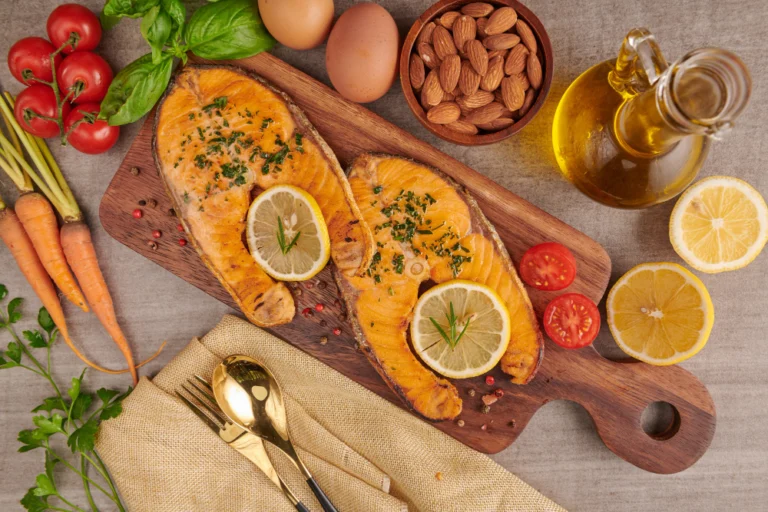
- Healthy fats: olive oil, nuts, seeds; oily fish twice weekly.
- Hydration: scalp and hair fiber benefit from a hydrated environment.
Sample Day (Omni)
- Breakfast: 2 eggs + whole-grain toast + tomatoes/spinach; orange.
- Lunch: lentil & quinoa salad with peppers, parsley, pumpkin seeds; olive oil-lemon dressing.
- Snack: Greek yogurt with berries.
- Dinner: salmon, roasted sweet potato, broccoli.
Sample Day (Vegetarian)
- Breakfast: protein smoothie (soy milk + pea protein + banana + oats).
- Lunch: chickpea-spinach curry (with tomatoes) + brown rice.
- Snack: hummus + red pepper.
- Dinner: tofu stir-fry with bok choy, mushrooms, sesame seeds.
Testing, Then Targeted Supplementation
Ask your clinician about: full blood count, ferritin, TSH, possibly vitamin D, B12/folate, zinc (if diet or symptoms suggest). Correct documented gaps for 3 months and reassess.
Thinking about surgery soon? Pre-op steps here: Pre-Op Checklist: Meds, Wash, Lifestyle
How Long Until You See Changes?
- 2–6 weeks: energy and scalp comfort may improve as nutrition stabilizes.
- 6–12 weeks: shed counts begin to fall if deficiency was the driver.
- 3–6 months: visible fullness/quality improves as new anagen hairs emerge.
- Keep expectations realistic: nutrition supports growth if it fixes a deficit; it doesn’t replace medical therapy for pattern loss.
Smart Tip: Take monthly photos in the same lighting (front, sides, top/crown) and track wash-day shed to see real trends.
Red Flags: See A Dermatologist
- Shedding persists >3 months despite a solid diet.
- Patchy hair loss, scarring, pain, heavy scale, or pustules.
- Sudden loss after starting a new medication.
- You’re considering supplements while pregnant/breastfeeding or have thyroid/autoimmune disease.
Where Nutrition Fits In Your Broader Plan
Nutrition is the foundation, not the whole house. Combine food-first fixes with sleep and training basics (see: Sleep & Hair: How Many Hours Matter? and Exercise & Hair: Myths vs Facts. If you later explore surgery, aftercare matters: Hair Transplant Aftercare: Washing, Sleeping, Sun, Gym
Smart Tip: If you prefer a supplement, choose single-nutrient products matched to your lab result (e.g., iron bisglycinate for low ferritin), not broad megadose stacks.
Hair Transplant Resources & Guides
- FUE vs FUT: Which suits you?
- How to Choose a Hair Transplant Clinic (criteria & red flags)
- Hair Transplant Recovery Guide (week-by-week)
- Hair Transplant Cost Calculators & Pricing Factors
- Non-Surgical Hair Restoration: Your Guide to What Actually Works
- Before Choosing a Hair Transplant Surgeon
- Is Stress Causing Your Hair Loss? A Guide to Lifestyle Triggers (And What to Fix First)
FAQ
See Top-Rated Hair Transplant Clinics
Prefer a diagnosis-first approach? Browse neutral, vetted clinics that manage genetic hair loss with medical therapy (and surgery if needed). Filter by credentials, outcomes, and follow-up care. → See top-rated clinics
Conclusion
Dial in nutrition for hair growth by fixing documented deficiencies (iron, protein, zinc/vitamin D when low), eating a balanced, protein-forward plate, and avoiding megadose “hair” blends. Combine food-first habits with sleep, stress, and medical therapy where appropriate—and your hair has the best chance to shed less and grow better over time.
Found this helpful? Share it in your hair-loss or wellness group so more people make evidence-based choices (and save money on unnecessary supplements).
References
- American Academy of Dermatology – Telogen Effluvium
- American Academy of Dermatology — Hair Loss Overview
- NIH Office of Dietary Supplements — Iron (Health Professionals)
- NIH Office of Dietary Supplements — Zinc (Health Professionals)
- NIH Office of Dietary Supplements — Vitamin D (Health Professionals)
- NIH Office of Dietary Supplements — Biotin (Health Professionals)
- NHS — Hair Loss Overview
Medical Disclaimer: The content on hairimplants.net is for informational purposes only and should not be considered medical advice. It does not replace a professional medical consultation, diagnosis, or treatment. Readers are encouraged to seek guidance from a qualified healthcare provider before making any decisions about hair restoration treatments. Hairimplants.net accepts no liability for actions taken based on the information provided.
Affiliate Disclosure: Hairimplants.net may contain affiliate links. If you click a link and make a purchase, we may earn a small commission at no additional cost to you. This helps us keep our content free and research-based. Our editorial opinions are independent and not influenced by partnerships. We do not accept payment for favorable reviews or rankings. Links to medical sources are non-affiliate.