Reading time: 7 min.
Looking for simple meal plans for hair growth you can actually stick to? This guide turns evidence-based nutrition into easy, repeatable breakfasts, lunches, dinners, and snacks—no expensive powders, no guesswork.
Know someone buying “hair gummies”? Share this guide.
At a Glance
Hair-friendly meals prioritize protein (1.0–1.6 g/kg/day), iron, zinc, and vitamin D—and plenty of colorful plants.
You don’t need perfection: a repeatable template beats an unsustainable “superfood” list.
Vegetarians can hit targets with soy/legumes/dairy/eggs + vitamin C for better iron absorption.
Expect fewer shed hairs in 6–12 weeks if a nutritional gap was part of the problem; visible fullness follows in 3–6 months.
If shedding is heavy or patchy, see a dermatologist to rule out other causes.
See also: Are Nutritional Deficiencies Causing Your Hair Loss? • Simple Meal Plans For Hair Growth • Daily Protein Intake For Healthy Hair • Omega-3 For Hair Growth
Why Meal Planning Helps Your Hair
Nutrition influences the hair cycle and shaft quality. When protein or iron are low (or calories are chronically restricted), more follicles can slip into a resting phase and shed. A week of consistent, balanced meals reduces that risk—and it’s simpler than it sounds.
For the science behind key nutrients, read our evidence guide: Nutrition for Hair Growth: What’s Evidence-Backed
Smart Tip: Build a 2–3 day rotation and repeat it. Consistency > novelty for hair and for your grocery budget.
Hair-Healthy Targets (Without the Math Overload)
- Protein: 1.0–1.6 g/kg/day split across meals (e.g., 20–35 g per meal).
- Iron: rotate heme (meat/fish) and plant sources (legumes/greens) + vitamin C sides.
- Zinc: shellfish, red meat in moderation, dairy, legumes, nuts/seeds.
- Vitamin D: oily fish, eggs, fortified milk/alternatives (supplement only if your clinician finds a deficiency).
- Plants: at least 5+ servings/day (fruit/veg), with leafy greens and colorful produce.
If shedding coincided with poor sleep or overtraining, layer these guides:
- Sleep & shedding: Sleep & Hair: How Many Hours Matter?
- Training smart: Exercise & Hair: Myths vs Facts
7-Day Simple Meal Plan (Omnivore)
Breakfast (pick 1, rotate)
- Eggs + Whole-Grain Toast + Spinach/Tomato (add fruit)
- Greek Yogurt + Berries + Pumpkin Seeds
- Oats with Milk, Chia, Banana, and Peanut Butter
Lunch (pick 1, rotate)
- Lentil & Quinoa Bowl with peppers, parsley, olive oil + lemon (vitamin C boost)
- Grilled Chicken Wrap with hummus, mixed greens, and carrots
- Tuna & Bean Salad (olive oil, red onion, cherry tomatoes)
Dinner (pick 1, rotate)
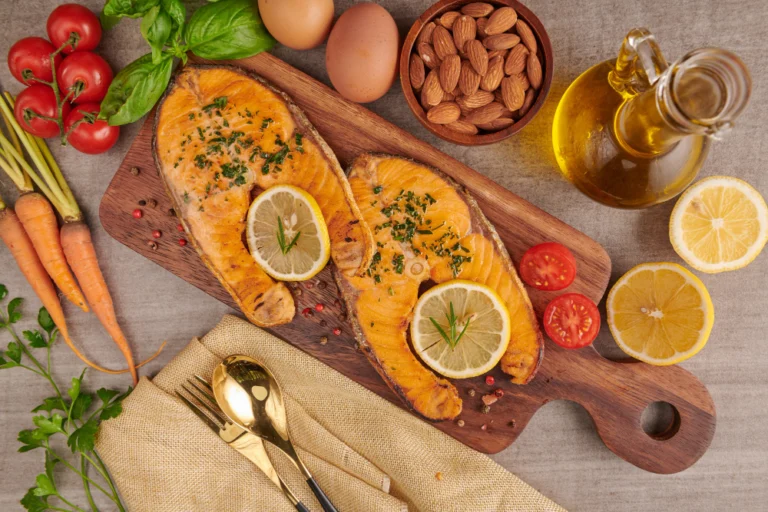
- Salmon, roasted sweet potato, broccoli
- Lean Beef Stir-Fry with mixed veggies over brown rice
- Turkey Chili with beans + side salad (citrus vinaigrette)
Snacks (2 per day)
- Apple + almonds
- Cottage cheese + pineapple
- Carrots + hummus
- Boiled eggs
Smart Tip: Add vitamin C to plant-iron meals (citrus, peppers, tomatoes) to boost absorption.
7-Day Simple Meal Plan (Vegetarian)
Breakfast (pick 1)
- Soy Yogurt or Greek Yogurt + berries + walnuts
- Protein Smoothie: soy/pea protein, banana, oats, spinach, soy milk
- Tofu Scramble with onions, peppers, and whole-grain toast
Lunch (pick 1)
- Chickpea-Spinach Curry (tomato base) + brown rice
- Tempeh Salad with quinoa, pumpkin seeds, avocado, and lemon dressing
- Black Bean & Veggie Burrito (whole-wheat wrap)
Dinner (pick 1)
- Tofu Stir-Fry (broccoli, bok choy, mushrooms) + sesame seeds
- Lentil Bolognese over whole-grain pasta + rocket salad (lemon)
- Egg & Veg Frittata + side salad
Snacks (2 per day)
- Edamame
- Cheese + whole-grain crackers
- Fruit + peanut butter
- Trail mix (unsalted)
Shopping List (One Week, Core Items)
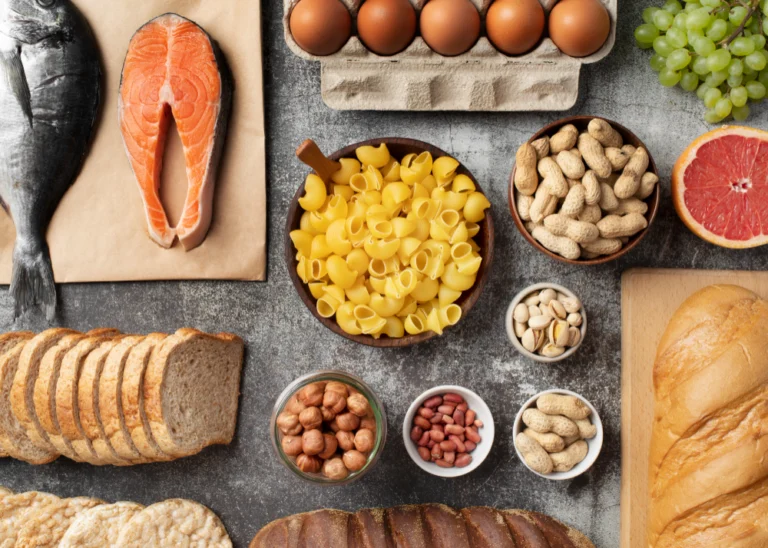
- Proteins: eggs, Greek/soy yogurt, salmon, tuna, chicken or turkey, lean beef (or extra tofu/tempeh/legumes for veggie plan), cottage cheese, legumes (lentils/chickpeas/beans).
- Carbs & Grains: oats, whole-grain bread/wraps, brown rice, quinoa, whole-grain pasta, sweet potatoes.
- Fats & Seeds: olive oil, walnuts/almonds, chia, pumpkin seeds, sesame.
- Produce: spinach, broccoli, peppers, tomatoes, onions, leafy greens, berries, bananas, citrus, avocado.
- Pantry: canned beans, canned tuna, spices, tomato passata, hummus.
Smart Tip: If you’re low on time, buy pre-washed greens, frozen veg, and canned legumes—identical nutrient wins with less prep.
Portion & Protein Guide (Quick Visuals)
- Palm of hand = ~20–30 g protein (meat/fish/tofu portion)
- ¾ cup Greek yogurt = ~15–18 g protein
- 1 cup cooked lentils = ~18 g protein
- 2 eggs = ~12–14 g protein
Common Pitfalls (And Easy Fixes)
- Crash dieting: rapid deficits push follicles toward shedding. Fix with modest calorie deficit and full protein spread.
- Tea/coffee with iron meals: polyphenols reduce absorption. Move hot drinks between meals.
- “Hair gummies” overload: mega-biotin or selenium can muddy lab tests or backfire. Only supplement to correct documented deficiencies.
- Low vitamin D: get tested if clinically indicated; correct true deficiency with your clinician.
For post-transplant nutrition timing and activity reintroduction, see: Hair Transplant Aftercare: Washing, Sleeping, Sun, Gym
When To See A Clinician
- Shedding persists >3 months despite consistent eating.
- Patchy loss, scalp pain, heavy scale, or pustules.
- Possible deficiencies (fatigue, brittle nails) or thyroid symptoms.
- A lab-guided plan beats guessing every time.
Hair Transplant Resources & Guides
- FUE vs FUT: Which suits you?
- How to Choose a Hair Transplant Clinic (criteria & red flags)
- Hair Transplant Recovery Guide (week-by-week)
- Hair Transplant Cost Calculators & Pricing Factors
- Non-Surgical Hair Restoration: Your Guide to What Actually Works
- Before Choosing a Hair Transplant Surgeon
- Is Stress Causing Your Hair Loss? A Guide to Lifestyle Triggers (And What to Fix First)
FAQ
See Top-Rated Hair Transplant Clinics
Prefer a diagnosis-first approach? Browse neutral, vetted clinics that manage genetic hair loss with medical therapy (and surgery if needed). Filter by credentials, outcomes, and follow-up care. → See top-rated clinics
Conclusion
Keep simple meal plans for hair growth protein-forward, iron- and zinc-aware, and plant-rich—and repeat them consistently. Combine this with solid sleep and sensible training, and you’ll give your follicles the best environment to shed less and grow better over time.
Found this helpful? Share it in your hair-loss or wellness group so more people can cook simple meal plans for hair growth without the hype.
References
- American Academy of Dermatology – Telogen Effluvium
- American Academy of Dermatology — Hair Loss Overview
- NIH Office of Dietary Supplements — Iron (Health Professionals)
- NIH Office of Dietary Supplements — Zinc (Health Professionals)
- NIH Office of Dietary Supplements — Vitamin D (Health Professionals)
- NIH Office of Dietary Supplements — Biotin (Health Professionals)
- NHS — Hair Loss Overview
Medical Disclaimer: The content on hairimplants.net is for informational purposes only and should not be considered medical advice. It does not replace a professional medical consultation, diagnosis, or treatment. Readers are encouraged to seek guidance from a qualified healthcare provider before making any decisions about hair restoration treatments. Hairimplants.net accepts no liability for actions taken based on the information provided.
Affiliate Disclosure: Hairimplants.net may contain affiliate links. If you click a link and make a purchase, we may earn a small commission at no additional cost to you. This helps us keep our content free and research-based. Our editorial opinions are independent and not influenced by partnerships. We do not accept payment for favorable reviews or rankings. Links to medical sources are non-affiliate.