Reading time: 8 min.
When you’re shedding more than usual, nutrition is one lever you can control—and daily protein intake for hair is the most important building block. This guide explains how much protein you actually need, how to hit your target without supplements, and what to do if you’re vegetarian or cutting calories.
Know someone over-buying “hair gummies”? Share this guide.
At a Glance
Hair is made of keratin (protein). Consistently 1.0–1.6 g protein per kilogram of body weight per day (g/kg/d) supports growth and reduces nutrition-related shedding.
Spreading protein across 3–4 meals (≈20–35 g each) beats one huge serving.
Pair plant iron with vitamin C and include zinc-rich foods; nutrition works together.
Crash diets and chronic low protein can trigger telogen effluvium (temporary shedding).
Real food first; supplements only to correct documented gaps.
See also: Are Nutritional Deficiencies Causing Your Hair Loss? • Simple Meal Plans For Hair Growth • Daily Protein Intake For Healthy Hair • Omega-3 For Hair Growth
Why Protein Matters For Hair
Your follicles build hair shafts from amino acids. If your intake is consistently low—especially during dieting or heavy training—more follicles can shift into telogen (resting) and shed a few months later. Protein won’t reverse genetic pattern hair loss on its own, but it does protect hair quality and supports recovery from nutrition-related shedding.
For broader, evidence-based nutrition factors (iron, vitamin D, zinc), read: Nutrition for Hair Growth: What’s Evidence-Backed
Smart Tip: Before you buy powders, fix meals. A food-first plan gives you protein plus iron, zinc, and antioxidants that supplements don’t.
How Much Protein Per Day? (Simple Targets)
A practical range for most adults is 1.0–1.6 g protein per kilogram of body weight per day (g/kg/d).
- If you’re sedentary or smaller-framed: aim near 1.0–1.2 g/kg/d.
- Active, recovering from illness or dieting: 1.2–1.6 g/kg/d.
- How to calculate: body weight (in kg) × target (g/kg) = grams per day. Example: 70 kg × 1.0–1.6 g/kg = 70–112 g/day.
- Spread over 3–4 meals with ~20–35 g protein each to maximize use.
If sleep debt or hard training is also in the mix, layer these guides:
- Sleep & shedding: Sleep & Hair: How Many Hours Matter?
- Training smart: Exercise & Hair: Myths vs Facts
What 20–35 g Looks Like (Quick Visuals)
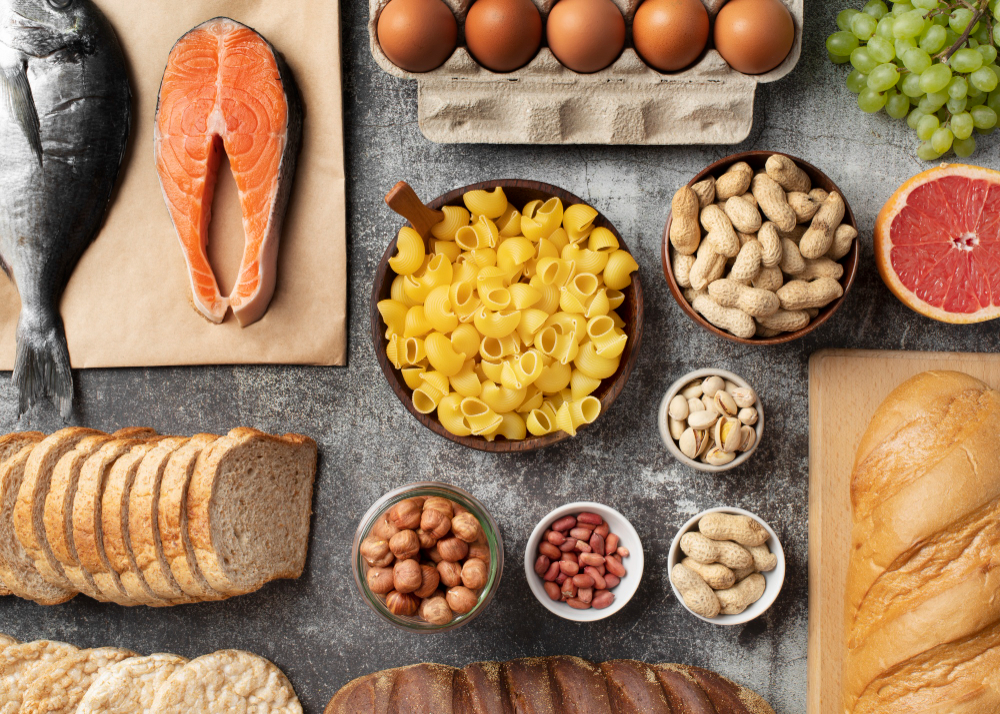
- 2 large eggs + 170 g Greek yogurt = ~30 g
- 120 g cooked salmon or chicken = ~25–30 g
- 1 cup cooked lentils = ~18 g (add 30 g feta = +5 g → ~23 g)
- 160 g firm tofu = ~20 g
- 1 protein-forward smoothie (250 ml soy milk + 30 g pea protein) = ~30–35 g
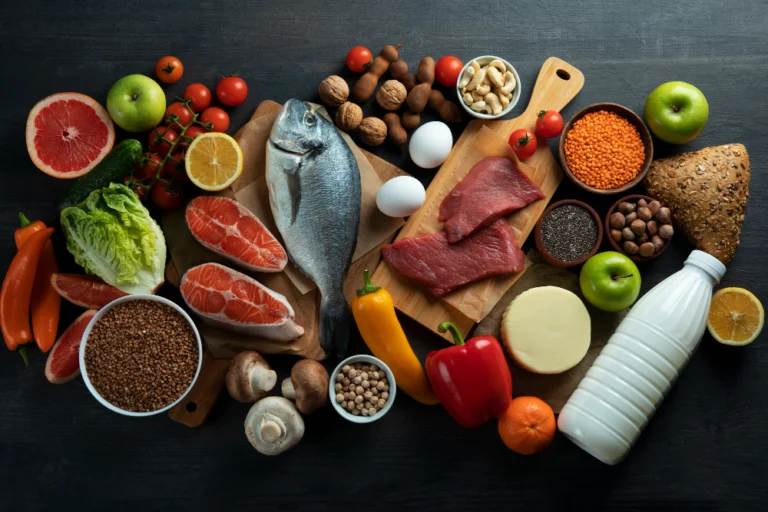
Smart Tip: Build each plate around a protein anchor (eggs, fish, chicken, tofu/tempeh, lentils) then add color (veg) and iron/zinc sides.
Protein Quality: Animal vs Plant
- Animal proteins (eggs, dairy, fish, poultry, lean red meat) are complete and efficient.
- Plant proteins (soy, legumes, quinoa, nuts/seeds) work great when combined and eaten in sufficient amounts.
- For vegetarians, pair soy or legumes with grains (e.g., lentils + brown rice) and include vitamin C foods to boost iron absorption.
See complete meal templates here: Simple Meal Plans For Hair Growth
Protein + Iron + Zinc: The Trio That Protects Follicles
Protein is only part of the puzzle. Low iron (ferritin) and zinc can also increase shedding. Practical combo moves:
- Breakfast: eggs + spinach/tomato + whole-grain toast
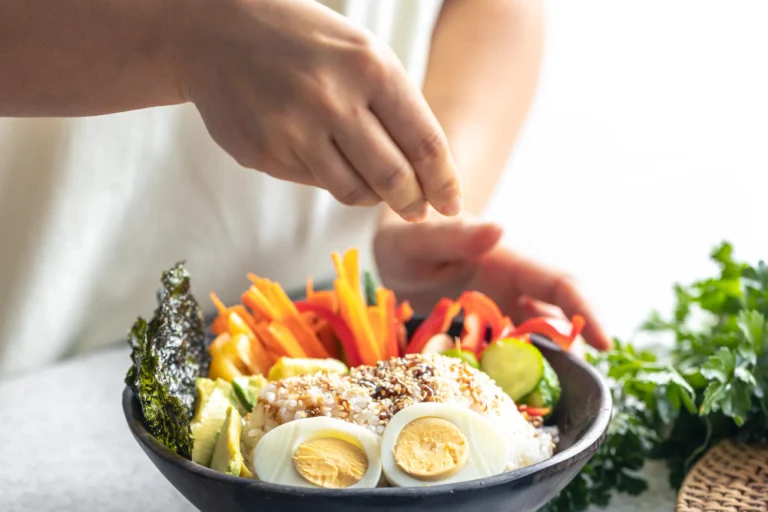
- Lunch: lentil–quinoa bowl + lemon (vitamin C) + pumpkin seeds (zinc)
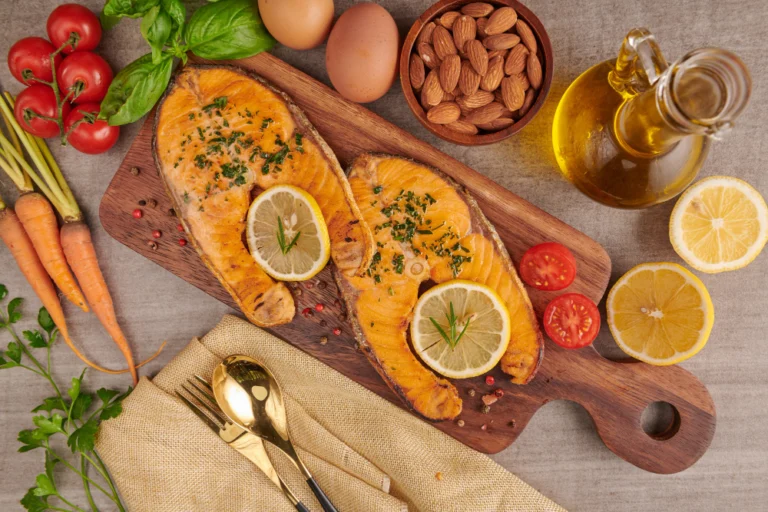
- Dinner: salmon + sweet potato + broccoli or tofu stir-fry + sesame seeds
- A food spread like this covers protein needs and the minerals your scalp relies on.
Smart Tip: Keep coffee/tea between meals if you’re targeting iron—polyphenols reduce absorption when taken with iron-rich foods.
Sample Day (Omnivore) — ~100–120 g Protein
- Breakfast: Greek yogurt (200 g) + berries + pumpkin seeds (~25 g)
- Lunch: Chicken wrap (120 g chicken) + hummus + mixed greens (~30 g)
- Snack: Cottage cheese (200 g) + pineapple (~24 g)
- Dinner: Salmon (150 g) + broccoli + quinoa (~30–35 g)
Sample Day (Vegetarian) — ~90–110 g Protein
- Edamame
- Cheese + whole-grain crackers
- Fruit + peanut butter
- Trail mix (unsalted)
Shopping List (One Week, Core Items)
- Breakfast: Protein smoothie (soy milk + 30 g pea protein + banana + oats) (~35 g)
- Lunch: Chickpea–spinach curry + brown rice (~20–25 g)
- Snack: Edamame (1 cup) (~17 g)
- Dinner: Tofu stir-fry (200 g tofu) + sesame + veg (~25–30 g)
If you want a full 7-day rotation you can batch-cook, grab our templates:
- Omnivore & vegetarian weeks: Simple Meal Plans For Hair Growth
Cutting Calories? Keep Protein High
Crash dieting and chronic low energy availability are classic triggers for telogen effluvium. If you must cut, keep protein at ≥1.2–1.6 g/kg, lose weight slowly (~0.5 kg/week), and prioritize iron- and zinc-smart meals.
More on avoiding training traps here: Exercise & Hair: Myths vs Facts
Smart Tip: During a cut, add one high-protein snack daily (Greek yogurt, edamame, tofu cubes, eggs). Small additions prevent big problems.
Do You Need Protein Powders?
Not usually. Use them for convenience, not as a crutch. A simple unflavored whey, soy, or pea isolate can help you reach a specific meal target (e.g., bump breakfast from 18 g → 30 g). But prioritize real food: it brings iron, zinc, omega-3s, and antioxidants—things isolates don’t.
Common Pitfalls (And Fixes)
- “I hit protein at dinner only.” Spread it out. Move 10–15 g into breakfast and lunch to protect daily balance.
- “Tea/coffee with my lentils.” Shift drinks to mid-morning/afternoon; add lemon or peppers to the meal.
- “I’m vegetarian and always hungry.” Combine protein + fiber + fat in each meal (e.g., tofu + veg + avocado + sesame).
- “I’m shedding after illness/stress.” Expect a 6–12 week lag. Keep protein steady and check iron status with your clinician if shedding persists.
Smart Tip: Photograph your hair monthly (same light, angles) and track grams of protein/day for 6–8 weeks. You’ll see whether consistency helps.
Where Protein Fits in a Bigger Plan
Protein supports growth, but it can’t replace evidence-based care for pattern loss. Combine nutrition with sensible lifestyle and medical options when indicated:
- Non-surgical options overview: Non-Surgical Hair Restoration: Your Guide to What Actually Works
- Pre-op essentials (if you’re considering surgery): Pre-Op Checklist: Meds, Wash, Lifestyle
- Aftercare basics: Hair Transplant Aftercare: Washing, Sleeping, Sun, Gym
Hair Transplant Resources & Guides
- FUE vs FUT: Which suits you?
- How to Choose a Hair Transplant Clinic (criteria & red flags)
- Hair Transplant Recovery Guide (week-by-week)
- Hair Transplant Cost Calculators & Pricing Factors
- Non-Surgical Hair Restoration: Your Guide to What Actually Works
- Before Choosing a Hair Transplant Surgeon
- Is Stress Causing Your Hair Loss? A Guide to Lifestyle Triggers (And What to Fix First)
FAQ
See Top-Rated Hair Transplant Clinics
Prefer a diagnosis-first approach? Browse neutral, vetted clinics that manage genetic hair loss with medical therapy (and surgery if needed). Filter by credentials, outcomes, and follow-up care. → See top-rated clinics
Conclusion
Hit your daily protein intake for hair by anchoring every meal with a quality protein, spreading 1.0–1.6 g/kg/day across the day, and pairing it with iron- and zinc-smart foods. Keep it consistent for 6–12 weeks, fold in sleep and recovery basics, and you’ll give your follicles the best chance to shed less and grow better.
Found this helpful? Share it in your hair-loss or wellness group so more people can hit their protein targets without the hype.
References
- American Academy of Dermatology – Telogen Effluvium
- American Academy of Dermatology — Hair Loss Overview
- NIH Office of Dietary Supplements — Iron (Health Professionals)
- NIH Office of Dietary Supplements — Zinc (Health Professionals)
- NIH Office of Dietary Supplements — Dietary Supplement)
- NHS — Hair Loss Overview
Medical Disclaimer: The content on hairimplants.net is for informational purposes only and should not be considered medical advice. It does not replace a professional medical consultation, diagnosis, or treatment. Readers are encouraged to seek guidance from a qualified healthcare provider before making any decisions about hair restoration treatments. Hairimplants.net accepts no liability for actions taken based on the information provided.
Affiliate Disclosure: Hairimplants.net may contain affiliate links. If you click a link and make a purchase, we may earn a small commission at no additional cost to you. This helps us keep our content free and research-based. Our editorial opinions are independent and not influenced by partnerships. We do not accept payment for favorable reviews or rankings. Links to medical sources are non-affiliate.