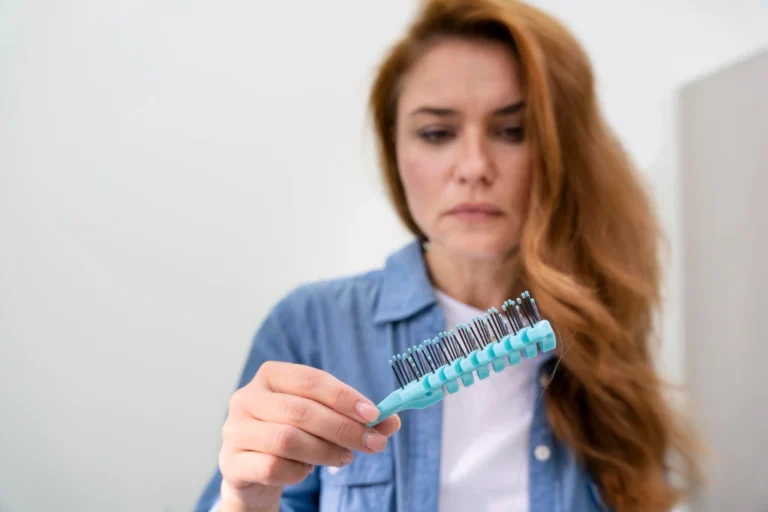
Let’s be honest: trying to prevent hair loss can feel overwhelming. There's a flood of conflicting advice online, and it’s hard to know what actually works. You’re not looking for a single magic potion; you're looking for a reliable hair loss prevention routine that fits into your life.
That's exactly what this guide provides. We’ve cut through the noise to create a simple, evidence-based daily plan. Think of this as your practical checklist, built on scientific studies, to help you protect your hair effectively. Let's build your new routine.
Wondering what works? This hair loss prevention routine cuts the hype and keeps the science.
The 3-Part Framework
Protect the fiber (hair shaft): gentle wash/condition/dry, heat + chemical moderation, friction control.
Care for the scalp (the “soil”): cleanse, treat dandruff/inflammation, avoid traction, support circulation via consistent care (not “miracle” hacks).
Treat the cause (follicle): for pattern loss, start evidence-based therapies early; for diffuse shedding, identify and fix triggers.
See also:Everyday hair care routine · Daily scalp care routine · Non-surgical methods
1) Daily Fiber-Friendly Habits (5 minutes)
- Shampoo & condition without trauma. Lather at the scalp, let suds run along lengths; always condition mid-lengths/ends. Skip hot-oil treatments; they weaken hair.
- Heat with guardrails. Air-dry when possible; if using tools, keep temps moderate and apply heat-protectant.
- Friction control. Pat dry (don’t rub), use a wide-tooth comb on damp hair, sleep on satin/silk to reduce breakage.
- Color/chemicals with spacing. Stretch bleaching/relaxing/perm intervals; combine processes cautiously to avoid cumulative damage.
2) Scalp Care That Actually Helps
- Treat dandruff/seborrheic dermatitis. Use anti-dandruff shampoos 2–3×/week; persistent itch/scale warrants a dermatologist. (Healthy scalp supports hair density.)
- Consider ketoconazole 1–2%. Limited studies suggest it may modestly support density in androgenetic alopecia while treating dandruff; results vary.
- Avoid traction. Rotate styles and keep braids/ponytails/weaves loose to prevent traction alopecia (can be permanent if chronic).
3) When to Add Medical Prevention
If you see pattern changes (widening part/crown thinning or receding hairline)
- Topical minoxidil (women/men). Strong evidence of benefit vs placebo; consistency matters (daily, long-term). Expect early shed in weeks 2–8; stick with it.
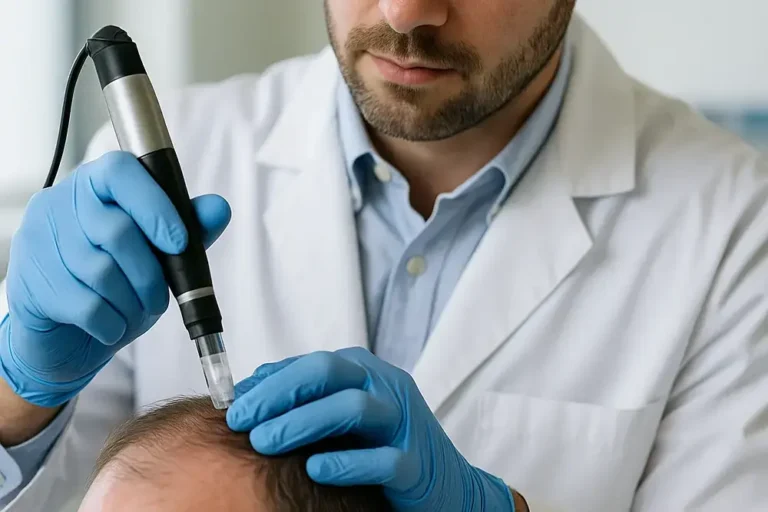
- Low-level laser therapy (LLLT) devices (combs/helmets) can modestly increase hair density vs sham in RCTs; use 3–4×/week as directed.
- Adjuncts under clinician care: oral finasteride/dutasteride (men), spironolactone (some women), PRP, and—later—surgery for stable cases. See Non-surgical methods → /blog/effective-non-surgical-hair-restoration-methods/
If shedding is sudden and diffuse (telogen effluvium)
- Map the last 3–6 months for triggers: illness, surgery, childbirth, crash diets, new meds. TE often starts ~2–3 months after a stressor and self-resolves.
- Targeted labs (case-by-case): TSH ± Free T4/T3; ferritin/iron studies. Correcting thyroid/iron issues supports recovery.
- Track, don’t panic. Expect improvement over 3–6+ months after fixing the trigger.
Lifestyle That Supports Hair (Without Hype)
- Nutrition first. Aim for balanced protein and iron-rich foods; supplement only with confirmed deficiencies (e.g., iron, vitamin D).
- Manage stress + sleep. Chronic stress can impair follicle stem-cell activity; use sleep hygiene and stress-reduction you’ll actually keep.
- Be skeptical of miracles. “Overnight growth” oils and viral hacks rarely beat consistent, boring basics + proven treatments.
Weekly Checklist (Save This)
- Shampoo/condition gently; limit heat; satin/silk pillowcase.
- Anti-dandruff or ketoconazole wash if needed; avoid tight styles.
- If pattern loss: apply minoxidil as directed; optional LLLT sessions.
- If diffuse shedding: review triggers, log shedding photos monthly; discuss targeted labs with your clinician.
See Top-Rated Clinics
Prefer a diagnosis-first approach? Browse neutral, vetted clinics that manage genetic hair loss with medical therapy (and surgery if needed). Filter by credentials, outcomes, and follow-up care. → See top-rated clinics
Hair Enhancement Resources & Guides
FAQs: Hair Loss Prevention Routine
Bottom Line
Build a hair loss prevention routine you can keep: gentle hair-fiber care, a calm and healthy scalp, and early, evidence-based treatment when pattern loss starts. Track progress monthly, adjust with your dermatologist, and stay consistent—because routines work when they’re realistic.
If this hair loss prevention routine helped, share it—consistency starts with a good plan.
References
- American Academy of Dermatology (AAD). Hair loss: Tips for managing.
- AAD. Hair Loss Resource Center.
- Harvard Health Publishing. Hair loss (A-to-Z) and Telogen effluvium
- StatPearls (NCBI). Telogen Effluvium.
- Cochrane Review. Treatments for female pattern hair loss.
- Systematic Review & Meta-analysis (2021). Low-level laser therapy in AGA
- Clinical studies on ketoconazole shampoos and AGA adjunctive benefit (limited/older data).
- Harvard Gazette. Mechanism linking chronic stress and hair follicle stem cells.
Medical Disclaimer: The content on hairimplants.net is for informational purposes only and should not be considered medical advice. It does not replace a professional medical consultation, diagnosis, or treatment. Readers are encouraged to seek guidance from a qualified healthcare provider before making any decisions about hair restoration treatments. Hairimplants.net accepts no liability for actions taken based on the information provided.
Affiliate Disclosure: Hairimplants.net may contain affiliate links. If you click a link and make a purchase, we may earn a small commission at no additional cost to you. This helps us keep our content free and research-based. Our editorial opinions are independent and not influenced by partnerships. We do not accept payment for favorable reviews or rankings. Links to medical sources are non-affiliate.