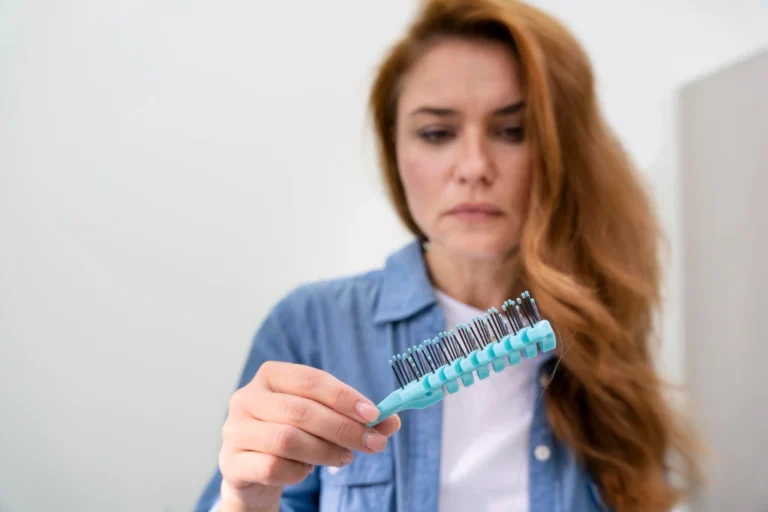
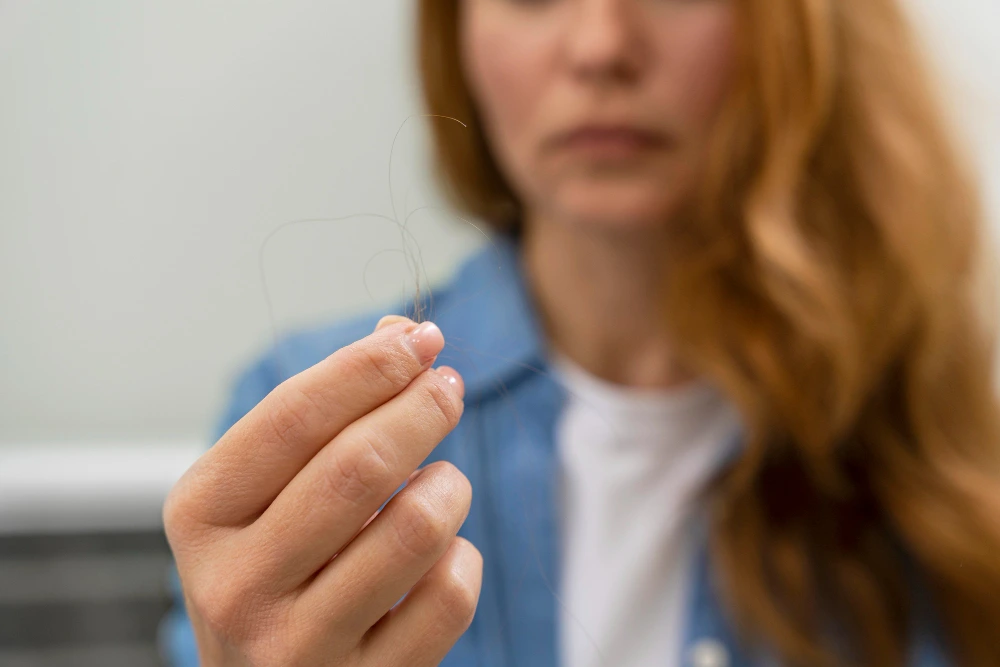
If you’re noticing more strands on your brush or a widening part, understanding the common causes of hair loss is the fastest way to the right fix. Below, we break down types, symptoms, diagnosis, and practical next steps—so you can act confidently and avoid guesswork.
Know someone worried about sudden shedding? Share this guide so they can spot the cause and act sooner.
At a Glance (Quick Checklist)
Hair loss (alopecia) can be temporary (e.g., stress shedding) or progressive (e.g., genetic pattern loss).
Triggers include genetics, hormones, stress/illness, nutrition & iron, traction/hairstyles, medications, and scalp disease.
First step is diagnosis (clinical exam/dermoscopy ± labs); treatment depends on the cause.
Many lifestyle-related cases improve with small, consistent changes once the trigger is fixed.
See also:Stress & Lifestyle Triggers • Hormonal & Health Causes • Genetics & Hair Loss
Types of Hair Loss (Temporary vs. Permanent)
Temporary (often reversible)
- Telogen effluvium (TE): diffuse shedding 2–3 months after a trigger (illness, stress, crash diet, surgery, postpartum).
- Anagen effluvium: rapid loss during treatments like chemotherapy; typically regrows after therapy ends.
- Tinea capitis (fungal infection): scaly patches, broken hairs; needs antifungal treatment.
Progressive/Chronic (long-term management)
- Androgenetic alopecia (AGA): male/female pattern hair loss—genetic + hormonal miniaturization over time.
- Traction alopecia (long-standing): from tight hairstyles; early cases can reverse, but chronic traction may scar.
- Scarring alopecias (e.g., lichen planopilaris, frontal fibrosing alopecia): inflammatory; require specialist care.
The Most Common Causes of Hair Loss
1) Genetics (Androgenetic Alopecia)
The leading driver in both men and women. In men: recession and vertex thinning; in women: diffuse thinning at the crown/part with the hairline often preserved. Early medical therapy can slow miniaturization and preserve density.
Learn more: How Genetics Influence Hair Loss
2) Hormonal & Health-Related Causes
Thyroid disorders, postpartum/post-contraceptive shifts, perimenopause/menopause, and systemic conditions can trigger shedding or worsen pattern loss. Treating the underlying imbalance is key.
Learn more: Hormonal & Health-Related Causes of Hair Loss
3) Stress, Illness, Crash Dieting & Medications
Acute illness/fever, major stress, rapid weight loss, and certain drugs (e.g., some retinoids, anticoagulants, antidepressants/antihypertensives, chemo) can cause TE. Shedding typically begins 2–3 months after the trigger and settles 3–6 months after it’s removed.
Practical fixes: Stress & Lifestyle Triggers for Hair Loss
4) Iron Deficiency & Nutrition
Low ferritin (iron stores) and chronic low protein intake are classic contributors to diffuse shedding, especially in menstruating or postpartum individuals. Correct with clinician guidance; avoid self-supplementing high-dose iron without testing.
5) Hairstyles, Heat & Chemicals
Tight styles (braids, slick ponytails, extensions), frequent bleaching or high-heat tools can cause traction or breakage that looks like thinning. Loosen styles, reduce heat, and space chemical services to protect length while follicles recover.
6) Scalp Conditions & Infections
Dandruff/seborrheic dermatitis can worsen shedding; fungal infections cause scaly patches with broken hairs; scarring alopecias can permanently destroy follicles if untreated—early diagnosis matters.
Signs & Symptoms You Shouldn’t Ignore
- Gradual thinning at the crown/part or receding hairline
- Diffuse shedding handfuls at wash/brush after stress, illness, diet changes
- Circular/patchy bald spots, itch, pain, or scaly patches
- Eyebrow/eyelash loss or body hair loss
- Sudden shedding without an obvious trigger
- If any of the above appear suddenly, are painful/scaly, or persist >6 months, book a medical evaluation.
Diagnosis: Exams, Dermoscopy & Targeted Labs
A good workup saves time and money:
- Clinical exam + dermoscopy to identify miniaturization, inflammation, or scarring changes.
- Labs (as indicated): ferritin/iron studies; thyroid (TSH/FT4); B12/folate, vitamin D or others based on history.
- Scalp scraping/biopsy if infection or scarring alopecia is suspected.
Treatment Basics: Match Therapy to Cause
- Androgenetic alopecia: topical minoxidil (men & women); oral finasteride (men) or other clinician-guided options; consider LLLT or PRP adjuncts; surgery (FUE/FUT) for suitable cases.
- Telogen effluvium: find/fix the trigger (stress, illness, iron, crash diet, meds); minoxidil can speed recovery; patience is essential.
- Traction alopecia: stop tension styles; treat inflammation; consider surgical options for stable, non-scarring deficits.
- Infections/inflammation: antifungals or anti-inflammatory regimens as indicated by a clinician.
- Surgery (select cases): If considering transplant, compare FUE vs FUT and choose an experienced surgeon; stabilize ongoing shedding first.
Deep dives: Effective Non-Surgical Hair Restoration Methods, FUE vs FUT Hair Transplant
Prevention & Daily Care Tips
- Keep hairstyles loose; limit heavy extensions during shedding phases.
- Space out bleaching/chemical services; lower heat and use protectant.
- Eat steady calories with adequate protein; correct iron deficiency when present (clinician-guided).
- Protect the scalp from sunburn; consider gentle, fragrance-free shampoos if irritated.
- If you smoke, quitting benefits scalp health in addition to overall health.
When to See a Specialist
- Shedding >6 months, rapid bald patches, pain/itch/scales, eyebrow/body hair loss, or suspected scarring alopecia.
- You’re unsure if it’s TE vs. genetic thinning.
- You’re considering surgery and need a lifelong donor strategy.
- Find the right team with our surgeon and clinic selector resources below.
See Top-Rated Clinics
Prefer a diagnosis-first approach? Browse neutral, vetted clinics that manage genetic hair loss with medical therapy (and surgery if needed). Filter by credentials, outcomes, and follow-up care. → See top-rated clinics
Hair Enhancement Resources & Guides
- Stress & Lifestyle Triggers for Hair Loss
- Hormonal & Health-Related Causes of Hair Loss
- How Genetics Influence Hair Loss
- Effective Non-Surgical Hair Restoration Methods
- FUE vs FUT Hair Transplant: Which Method Is Right for You?
- How to Choose a Hair Transplant Clinic
- Before You Choose a Hair Transplant Surgeon
- Hair Transplant Recovery Guide
FAQs
Conclusion
Most people experience shedding at some point, but the **common causes of hair loss are diagnosable—and many are manageable. Start with a clinician-led assessment (exam/dermoscopy ± labs), fix the trigger (stress, illness, iron/nutrition, hairstyles, medications), protect the hair you have, then choose targeted therapy aligned with the diagnosis. For surgical options, stabilize first and plan long-term with a credentialed team. Know someone searching for answers? Share this guide to help them act with confidence.
Found this helpful? Share it to help others understand why hair loss happens—and what to do next.
References
- American Academy of Dermatology — Hair loss: overview, causes & patient guidance
- NHS — Hair loss: causes, when to seek help, treatments
- International Society of Hair Restoration Surgery — Patient education
Medical Disclaimer: The content on hairimplants.net is for informational purposes only and should not be considered medical advice. It does not replace a professional medical consultation, diagnosis, or treatment. Readers are encouraged to seek guidance from a qualified healthcare provider before making any decisions about hair restoration treatments. Hairimplants.net accepts no liability for actions taken based on the information provided.
Affiliate Disclosure: Hairimplants.net may contain affiliate links. If you click a link and make a purchase, we may earn a small commission at no additional cost to you. This helps us keep our content free and research-based. Our editorial opinions are independent and not influenced by partnerships. We do not accept payment for favorable reviews or rankings. Links to medical sources are non-affiliate.