Reading time: 8 min.
Minoxidil guide for real-world results: this walkthrough explains how minoxidil works, exact label-based doses for men and women, whether foam or solution is best for your scalp, common (and rare) side effects, and pro tips to boost adherence and regrowth timelines—without hype.
Know someone weighing up minoxidil vs “waiting it out”? Share this guide.
At a Glance
Foam vs solution: both work; solution has propylene glycol (more irritation risk), foam is PG-free and often gentler.
Typical dosing: Men 5% twice daily; Women 2% solution twice daily or 5% foam once daily (FDA-approved).
Expect shedding in the first weeks; judge results after 3–6 months, with full assessment at ~12 months.
Side effects are usually scalp irritation and unwanted facial/body hair; systemic effects are uncommon with topical use but possible.
Oral (low-dose) minoxidil is off-label—consider only with a dermatologist.
See also: Non-Surgical Hair Restoration • Minoxidil Guide • Oral vs Topical Finasteride • Best Laser Cap • Hair Systems & Scalp Micropigmentation • PRP For Hair Loss: Sessions, Costs & Results
What Minoxidil Actually Does
Minoxidil prolongs the anagen (growth) phase and can thicken miniaturized hairs in androgenetic alopecia (pattern hair loss). It doesn’t “freeze” your genetics, but it can meaningfully slow loss and improve density while you use it consistently.
Smart Tip: Track progress with repeatable photos (same lighting, angle, distance) every 1–2 months. Mini-gains add up and are easier to see side-by-side.
Foam vs Solution: Which One Should You Use?
Both work. The key practical difference is formulation: most solutions include propylene glycol (better penetration, but more itch/flaking for some), while foams are PG-free and often better tolerated on sensitive or flaky scalps. If you’re reacting to solution, switching to foam is a common workaround.
If you want a deeper dive on textures, residues, and real-world convenience trade-offs, read: Minoxidil: Foam or Solution? A Complete Guide for Men and Women
Dosing That Matches The Label
Men (Typical OTC Directions)
5% solution or foam: twice daily, applied to affected scalp areas. Consistency matters more than clock precision.
Women (FDA-Approved Regimens)
2% solution: twice daily or 5% foam: once daily. Using more than directed does not improve results and may increase side effects.
Smart Tip: Pair minoxidil with an evidence-based routine (anti-DHT meds where appropriate, scalp care, lifestyle factors). Start with this checklist: How to Build a Daily Routine That Actually Prevents Hair Loss
How To Apply (So It Actually Works)
- Start with a dry scalp.
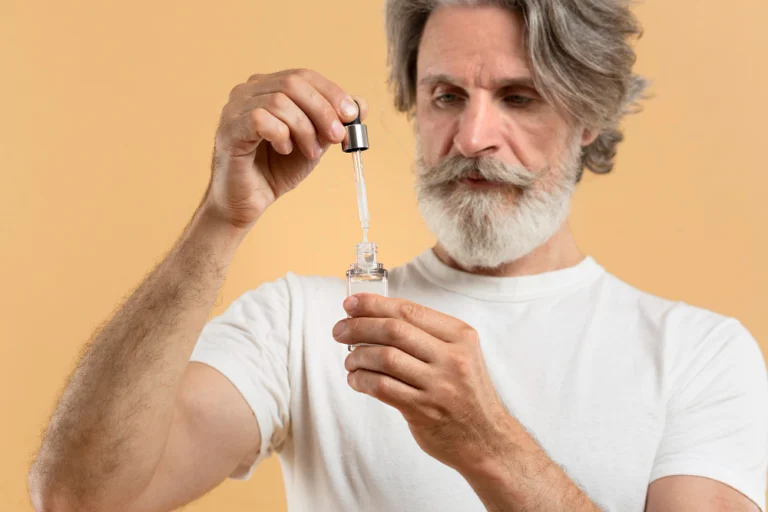
- Measure the directed amount (solution dropper or half-cap foam dose).
- Target the scalp, not the hair shafts; part hair for access.
- Wash hands after application to avoid unwanted facial/body hair.
- Let it dry before styling, sleeping, or wearing hats; avoid heavy occlusion that could increase absorption.
Timeline: When You’ll See Changes
- Weeks 2–8: Possible shedding as follicles reset—unsettling but expected.
- Months 3–6: Early thickening/coverage improvements if you respond.
- Month 12: Fair point to judge keep/adjust/stop. Stopping reverses gains.
For a broader causes-first approach (so you’re treating the right thing), start here: Common Causes of Hair Loss and Hormonal & Health-Related Causes of Hair Loss
Side Effects: What’s Common, What’s Rare
Common (topical): scalp itching, flaking, dryness, mild dermatitis—more likely with propylene glycol solutions. Unwanted hair (hypertrichosis) can occur if the product spreads to the face/neck or with higher systemic exposure.
Less common but important: dizziness, palpitations, ankle swelling, headaches—seek medical advice, especially if you have cardiovascular issues. Pregnancy/breastfeeding: discuss alternatives; many clinicians avoid topical minoxidil in these periods.
Hospital leaflets also note occasional dry/tangled hair with breakage in fragile hair conditions—another reason some prefer foam.
Smart Tip: If irritation hits, try: switching to foam, reducing other scalp irritants (strong gels, harsh shampoos), and adding a gentle anti-dandruff wash 2–3×/week. If symptoms persist, stop and see a clinician.
Oral (Low-Dose) Minoxidil: Off-Label, Doctor-Led
Oral minoxidil can help selected patients who can’t tolerate topical or want simpler compliance—but it’s off-label for hair loss and requires medical supervision. Reported side effects include hirsutism, lightheadedness, edema/weight gain, and BP changes; clinicians typically start low and monitor.
Getting More From Minoxidil (Evidence-Based Combos)
Microneedling + Minoxidil
Multiple studies/meta-analyses show higher hair counts when microneedling is added to 5% minoxidil versus minoxidil alone. Consider clinic-guided protocols and avoid over-needling. Read: Does Microneedling for Hair Loss Actually Work? What the Science Says
Minoxidil + Anti-androgens (Men & Women, case-by-case)
Pairing minoxidil with finasteride/dutasteride (where appropriate) often improves maintenance and density. Compare options here: Finasteride vs. Dutasteride: Which Is Better for Hair Loss?
Who Shouldn’t DIY This?
- Unclear diagnosis (diffuse sudden shedding, scarring signs, patchy loss).
- Significant heart, kidney, or blood-pressure issues.
- Pregnancy, trying to conceive, or breastfeeding.
- Start with a dermatologist to match treatment to cause and ensure safety.
What The Research Says (Quick Evidence Hits)
- In men, 5% beats 2% for regrowth and earlier response. PubMed
- In women, 2% vs 5% shows mixed differences across trials; both are used, with 5% foam once daily FDA-approved.
Smart Tip: If you’re sensitive to dropper spillover or facial fuzz, apply less but accurately, stick to the scalp, and wipe any drips immediately.
Hair Restoration Resources & Guides
- Foam or liquid in real life? See: Minoxidil: Foam or Solution? A Complete Guide for Men and Women
- Build a sustainable routine around minoxidil: How to Build a Daily Routine That Actually Prevents Hair Loss
- Check for medical triggers before you blame “bad genes”: Hormonal & Health-Related Causes of Hair Loss
- Considering microneedling with minoxidil? Start here: Does Microneedling for Hair Loss Actually Work? What the Science Says
FAQ
See Top-Rated Clinics
Prefer a diagnosis-first approach? Browse neutral, vetted clinics that manage genetic hair loss with medical therapy (and surgery if needed). Filter by credentials, outcomes, and follow-up care. → See top-rated clinics
Conclusion
Used correctly, minoxidil remains a cornerstone of non-surgical hair restoration. Choose the formulation your scalp tolerates, follow label-accurate doses, and commit for 6–12 months before judging results. If you only remember one thing from this minoxidil guide, it’s that consistency beats clever tricks every time.
Found this helpful? Share it in your hair-loss or transplant research group so more people make informed decisions.
References
- FDA Label – Women’s Rogaine 5% Foam
- DailyMed – Women’s Minoxidil 5% Foam Directions
- American Academy of Dermatology – Hair Loss: Diagnosis & Treatment
- NHS – Hair Loss Overview
- Olsen et al., 2002 – 5% vs 2% Minoxidil in Men (J Am Acad Dermatol)
- Cochrane – Treatments for Female Pattern Hair Loss (Minoxidil Evidence)
- ISHRS – Minoxidil: Formulation, Dosage & Side Effects
- Low-Dose Oral Minoxidil for Alopecia – Review (2023, open access)
- Northern Care Alliance NHS – Low-Dose Minoxidil Leaflet
Medical Disclaimer: The content on hairimplants.net is for informational purposes only and should not be considered medical advice. It does not replace a professional medical consultation, diagnosis, or treatment. Readers are encouraged to seek guidance from a qualified healthcare provider before making any decisions about hair restoration treatments. Hairimplants.net accepts no liability for actions taken based on the information provided.
Affiliate Disclosure: Hairimplants.net may contain affiliate links. If you click a link and make a purchase, we may earn a small commission at no additional cost to you. This helps us keep our content free and research-based. Our editorial opinions are independent and not influenced by partnerships. We do not accept payment for favorable reviews or rankings. Links to medical sources are non-affiliate.