
Reading time: 11 min.
The quickest way to tell hair breakage from true hair loss is to look for the bulb and the length. Shed hairs are usually full-length with a tiny white or clear bulb at one end; broken hairs are shorter, jagged pieces without a bulb. If your part is widening or temples are thinning over months, think hair loss; if you see short snapped bits and heavy heat or styling, think breakage (see References: AAD/Harvard/ISHRS).
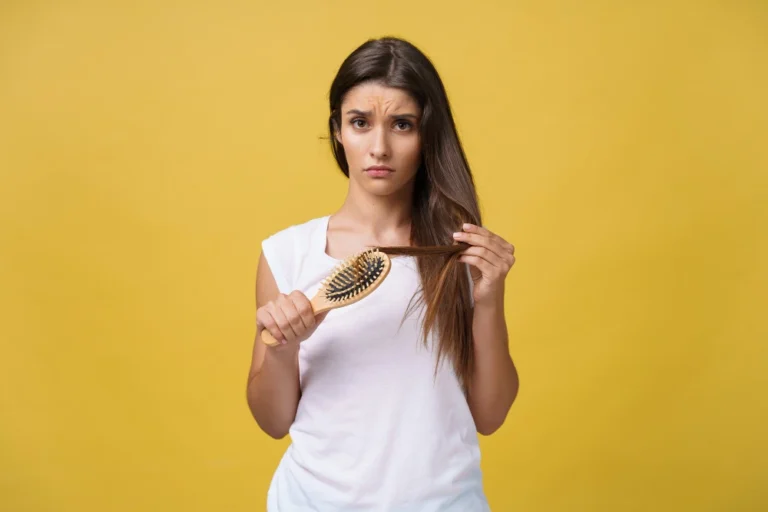
If you’ve ever stared at a brush full of hair and wondered whether you’re breaking it or actually shedding from the root, you’re not alone. The fastest way to calm anxiety is to learn the tell-tale signs of hair breakage vs hair loss, then tweak your routine accordingly.
This guide walks you through simple at-home checks, common causes on both sides and practical fixes you can start now.
If it helps you or a friend, please share it—understanding hair breakage vs hair loss can save months of stress and trial-and-error.
Quick Facts
Shed hairs: usually full-length with a tiny white/clear bulb at one end.
Broken hairs: shorter, jagged ends, no bulb; often cluster near mid-lengths, crown and hairline.
A little extra shedding for 4–8 weeks can be seasonal; patches, pain or a widening part are red flags (see References: AAD/Harvard).
Breakage is mostly about friction, heat and chemicals. Shedding is about health, hormones, meds and inflammation.
Many people have both; start by reducing breakage while you and your clinician check medical triggers.
See also
Everyday Hair Care · Scalp Care Routine · Dandruff & Shedding · Clarifying Schedule
Hair Anatomy 101: Why Does the Bulb Matter?
Each hair grows from a follicle through predictable phases:
- Anagen – growth
- Catagen – transition
- Telogen – rest
- Exogen – shedding
When a telogen hair naturally releases, it brings a club-shaped bulb from the follicle. That’s a shed hair.
Breakage, by contrast, happens along the shaft—from heat, colouring, mechanical wear, dryness or product build-up. A broken hair has no bulb and often a jagged or feathery end.
Smart Tip: Keep a small magnifying mirror in your bathroom. When you’re anxious, inspect 5–10 shed strands from your brush or shower drain:
Bulbs + full length = shedding
No bulbs + many short bits = mostly breakage
If you’re still unsure, the checks below help you separate the two.
At-Home Checks To Separate Hair Breakage Vs Hair Loss
The Brush Audit (30 seconds)
After brushing, pull a few strands from the bristles.
- Bulb present + long strands? You’re mainly looking at shedding.
- No bulb + lots of short pieces? Breakage is likely the bigger problem.
Repeat this a few times over a couple of weeks, not just once on a panic day.
The Part/Temple Photos (2 Minutes)
Take photos of your part and temples every 2–4 weeks in the same light and angle.
- Shedding alone rarely widens the part permanently.
- Pattern hair loss (female or male pattern) gradually widens the part or recedes the hairline.
If your photos are showing a clear pattern change, that points more toward underlying hair loss than simple breakage. For a deeper dive, see Female Pattern Hair Loss vs Diffuse Thinning and our Women’s Hair Loss Guide.
The Wash-Day Clue
Seeing “extra” hair on wash day can be normal—shed hairs accumulate on days you don’t wash and release all at once.
If hair feels squeaky but coated, or your roots collapse quickly, think build-up and product overload. A gentle clarifying or chelating schedule can help reset things without stripping your hair.
For more detail, see Silicones & Build-up: Clarifying Schedule.
Common Causes & Fixes (Side-By-Side)
Breakage (Hair Shaft Problem)
Typical triggers
- Heat overuse or very high temperatures
- Rough towel-drying, tight styles, aggressive brushing
- Chemical processing (bleach/colour), hard-water mineral build-up
- Under-conditioning or protein overuse (stiff, brittle hair that snaps)
Fixes
- Lower heat and use the fewest passes at the lowest effective temperature.
- Swap rough towel-drying for microfiber blotting and detangle from ends to roots with a leave-in for slip.
- Use lightweight humectants plus modern silicones (e.g. amodimethicone/dimethiconol) on lengths only to reduce friction.
- Clarify or chelate on schedule if you have build-up or hard water; aim for balanced, not constant, protein care.
For everyday routines that reduce breakage, see our Heat Styling Without Breakage, Conditioners & Leave-ins and Everyday Hair Care to Prevent Hair Loss
Shedding (Follicle / Cycle Problem)
Typical triggers
- Recent illness, fever, surgery or childbirth (shedding 2–4 months later)
- New medications; crash diets; iron, thyroid, vitamin D, B12 or zinc gaps
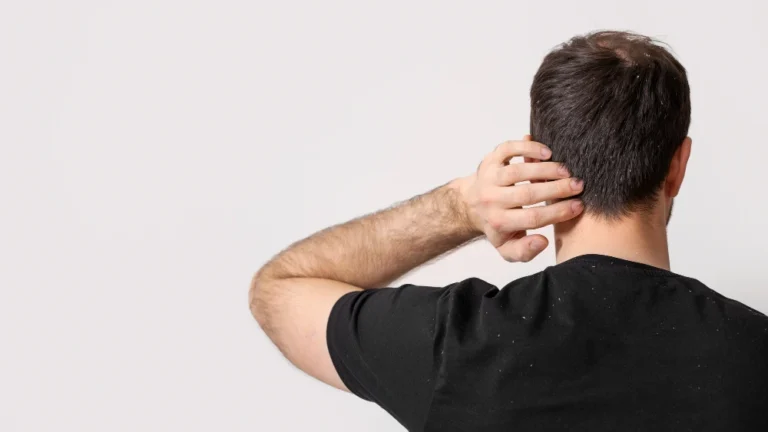
- Dandruff or seborrheic dermatitis causing inflammation
- Genetic/pattern hair loss (gradual miniaturisation in a recognisable pattern)
Fixes
- Work with a clinician to identify and correct triggers; keep a gentle, consistent routine for 8–12 weeks.
- Rotate anti-dandruff actives if you have flakes or itch, and leave them on 3–5 minutes for contact time.
- Consider evidence-based therapies with your clinician (e.g. minoxidil ± other medical options) if an underlying pattern is present.
Deeper dives:
Common Causes Of Hair Loss
Causes Of Hair Loss: Complete Guide
Vitamin Deficiency & Hair Loss (Iron, D, B12, Zinc)
Thyroid And Hair Loss: What To Test
Medications That Cause Hair Shedding (Telogen Effluvium)
Dandruff, Seborrheic Dermatitis & Shedding
A Simple 4-Week Plan (When You’re Not Sure Which It Is)
Weeks 1–2: Reduce Friction & Heat
- Microfiber blot; don’t rub.
- Use a wide-tooth comb plus spray leave-in for slip; detangle from ends upwards.
- One anti-dandruff wash 2–3 times per week if you’re flaky or itchy (leave on 3–5 minutes).
- Style with the lowest effective heat, minimal passes and a heat protectant every time.
Weeks 3–4: Clarify & Assess
- Clarify once (or chelate if you have hard water), then return to gentle cleansers.
- Condition from the ears down; finish with a pea-sized serum on ends to re-seal the cuticle.
- Compare your part and temple photos with week 1.
If you see less snapping and fewer short bits, breakage was dominant—keep this routine.
If you still see many full-length hairs with bulbs, talk to a clinician about shedding triggers (labs, medications, hormones).
For a broader routine, see our Hair Loss Prevention Routine and Daily Scalp Care Routine for Hair Growth.
When To See a Dermatologist
Book a professional assessment if you notice:
- Shedding that lasts more than 12 weeks without improvement
- Patchy bald spots, scalp pain, heavy crusts or bleeding
- A rapidly widening part or a clearly receding hairline
- Shedding after major health events (COVID-19, surgery) or new medications
- You want to discuss evidence-based treatments (minoxidil, anti-androgens, PRP) or explore surgery
A dermatologist can help decide when breakage is the main issue vs true hair loss, guide lab testing and design a treatment plan if underlying hair loss is present.
Considering a clinic? Start here:
How To Choose The Best Hair Transplant Clinic
Hair Transplant Clinic Checklist
Before You Choose A Hair Transplant Surgeon
Hair Transplant Recovery Timeline
Buyer’s Checklist (To Prevent Breakage While You Investigate Shedding)
Look for products and tools that support your new routine:
- Heat protectant with film-formers and light silicones
- Lightweight conditioner plus spray leave-in for slip (ear-down application)
- Clarifying or chelating shampoo (used according to schedule; colour-safe if dyed)
- Microfiber towel, wide-tooth comb, soft scrunchies without metal parts
- Gentle anti-dandruff shampoo if you have flakes or itch (contact time matters)
- Optional finisher: a pea-sized serum on ends only to re-seal the cuticle
These tweaks reduce breakage noise while you and your clinician work out whether there is also true hair loss to address.
See Top-Rated Clinics
Prefer a diagnosis-first approach? Browse neutral, vetted clinics that manage genetic hair loss with medical therapy (and surgery if needed). Filter by credentials, outcomes, and follow-up care. → See top-rated clinics
Conclusion
Learning the signs of hair breakage vs hair loss—bulb vs no bulb, length patterns and photo tracking—lets you act with confidence: reduce friction and heat to stop snaps, keep the scalp calm and address medical triggers when shedding spikes.
If you’re unsure, start with a gentler routine for a few weeks, then check your photos and the type of hairs you’re seeing.
Hair Enhancement Resources & Guides
- Causes of Hair Loss: Complete Guide — a structured overview of genetic, hormonal, medical and lifestyle contributors to hair loss.
- Effective Non-Surgical Hair Restoration Methods — plain-English breakdown of medications, devices and cosmetic options with real evidence.
- Stress & Lifestyle Triggers for Hair Loss — how stress, sleep debt, illness and habits drive shedding and what to fix first.
- Women’s Hair Loss Guide(/blog/womens-hair-loss-guide/) — comprehensive guide to female hair loss patterns, diagnosis and treatment options.
FAQs About Hair Breakage vs Hair Loss
Explore Related Questions
- How can I heat style my hair without causing breakage?
- Which conditioners and leave-ins actually help instead of causing build-up?
- What does a healthy daily scalp care routine look like?
If this article helped, please share it with someone who’s counting strands in the shower and needs a clearer next step.
Key Terms in This Guide
For full definitions in plain English, click each term to view its entry in our Hair Transplant Glossary.
- Hair shaft
- Hair follicle and bulb (club hair)
- Telogen effluvium (TE)
- Androgenetic alopecia (pattern hair loss)
- Traction alopecia
- Seborrheic dermatitis & dandruff
- Clarifying shampoo & chelation
References
- American Academy of Dermatology — Do you have hair loss or hair shedding?
- American Academy of Dermatology — Hair loss: Overview
- American Academy of Dermatology — Tips for healthy hair (heat, detangling, conditioning)
- Harvard Health Publishing — Hair loss: When to worry and how to treat
- International Society of Hair Restoration Surgery (ISHRS) — Patient Education Hub
- ISHRS — Treatments for Hair Loss (Overview)
Medical Disclaimer: The content on hairimplants.net is for informational purposes only and should not be considered medical advice. It does not replace a professional medical consultation, diagnosis, or treatment. Readers are encouraged to seek guidance from a qualified healthcare provider before making any decisions about hair restoration treatments. Hairimplants.net accepts no liability for actions taken based on the information provided.
Affiliate Disclosure: Hairimplants.net may contain affiliate links. If you click a link and make a purchase, we may earn a small commission at no additional cost to you. This helps us keep our content free and research-based. Our editorial opinions are independent and not influenced by partnerships. We do not accept payment for favorable reviews or rankings. Links to medical sources are non-affiliate.